The Day Things Started Feeling Normal Again
I remember stepping out after weeks of monitoring crisis-related content.
Shops were open. Traffic felt normal. Conversations had shifted back to everyday life. On the ground, things were slowly stabilizing.
It felt like society was beginning to heal.
But when I logged back into the moderation queue, it told a very different story.
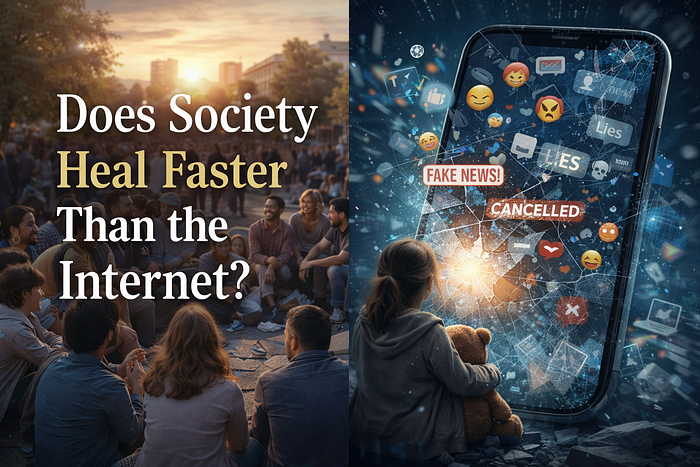
The Internet Doesn’t Move On That Easily
My queue was still filled with conflict-related content.
Old videos, resurfaced images, recycled claims. Some posts were days old, others even older, but they were being reshared as if they were recent.
I reviewed one video of a crowded petrol station that had originally circulated during peak panic. It was now back again with a new caption:
“Situation still the same. Nothing has improved.”
But that wasn’t true anymore.
Offline, things had calmed down.
Online, it hadn’t.
Memory vs. Momentum
From my experience, society and the internet operate on very different timelines.
People, over time, adapt. They return to routines. They move forward, even if slowly.
But platforms run on momentum.
Content that once performed well continues to resurface. Engagement signals keep it alive. Algorithms don’t always recognize that the context has changed.
So while people are trying to move on, the internet keeps pulling them back.
When Old Fear Feels New Again
This creates a strange effect.
I’ve seen users react to old content as if it’s happening in real time. A reposted video, a reshared message, a recycled warning, and suddenly the same fear comes back.
In one instance, a previously viral message about fuel shortages started circulating again days after supply had stabilized.
Within hours, conversations shifted back to uncertainty.
Some people even revisited petrol pumps “just to be safe.”
The situation hadn’t changed.
The content made it feel like it had.
The Moderation Challenge of “Outdated Harm”
This is one of the most complex areas in Trust & Safety.
The content itself isn’t new. It may not even be false.
But in a new context, it becomes misleading.
I’ve spent time reviewing posts where the only issue wasn’t what was shown, but when it was being shown.
And that’s not always easy to detect or act on at scale.
Healing vs. Highlighting
Society heals by reducing exposure to stress.
The internet often does the opposite.
It highlights, repeats, and resurfaces the very moments people are trying to move past.
From what I’ve seen, this creates a gap.
People are ready to move on, but the content around them keeps reminding them of what happened.
Final Thought
So, does society heal faster than the internet?
In many cases, yes.
Because people adapt.
Platforms don’t forget as easily.
From the inside, it’s clear that the challenge isn’t just managing harmful content in real time. It’s also managing what lingers after.
Because even when the world moves forward, the internet has a way of holding on.
And sometimes, that makes healing just a little bit slower.