The Day Things Were Supposed to Be Over
I remember the shift when the news finally confirmed it.
The conflict had ended.
After days of high-alert moderation, constant inflow of videos, claims, and counterclaims, this should have been the moment things slowed down. Less urgency. Fewer escalations.
But when I opened my queue, the volume hadn’t dropped.
It had changed.
The Content That Outlived the Conflict
Instead of real-time updates, I started seeing recycled content.
Old videos of explosions were being reposted with captions like: “This is what they don’t want you to see.”
Images from earlier days were reframed as “proof” that the situation was still unstable.
I remember reviewing one clip I had already seen multiple times during the conflict. Now it was back again, with a different story attached to it.
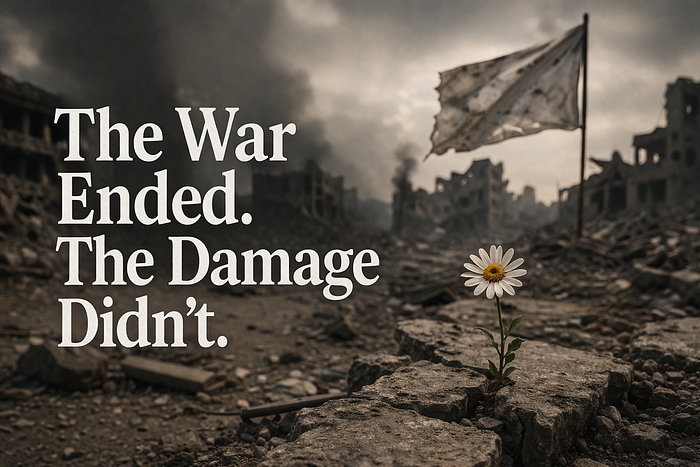
The war had ended.
The content hadn’t.
The Shift From Urgency to Narrative
During the conflict, content was about immediacy.
After it ended, the focus shifted to interpretation.
Posts started appearing that questioned outcomes, assigned blame, or hinted that the “real story” was being hidden.
“This isn’t the full truth.”
“More will come out soon.”
None of these were clear violations. But they carried weight.
Because they kept the uncertainty alive.
Real-World Effects Don’t Reset Overnight
What stood out most to me wasn’t just the content, but its impact.
Even after the official end, I saw posts about fuel shortages, supply disruptions, and safety concerns continuing to circulate.
People were still reacting.
Queues at petrol pumps didn’t disappear immediately. Conversations around stocking essentials continued. The behavior triggered during the conflict didn’t just switch off.
From experience, once panic sets in, it lingers.
The Moderation Challenge After the Headlines
This phase is often overlooked.
During active conflict, moderation is focused on speed and high-risk content.
Afterward, the challenge becomes more subtle.
Is this content outdated?
Is it misleading in its new context?
Is it continuing to drive unnecessary fear?
These are harder questions to answer quickly.
And while we’re evaluating, the content keeps spreading.
The Invisible Aftermath
From the outside, it may seem like the end of conflict brings clarity.
From the inside, it often brings noise.
Different versions of events compete for attention. Old visuals resurface. Speculation fills the gaps left by incomplete information.
I’ve seen timelines where official confirmations sit next to misleading narratives, both gaining traction in different ways.
Final Thought
Wars don’t just leave physical damage.
They leave informational damage.
From what I’ve experienced, the end of conflict doesn’t mean the end of its impact online. The narratives continue, the uncertainty lingers, and the behavior shaped during those moments takes time to settle.
Because while the war may end on the ground, its effects continue to live on through content.
And that’s where the real challenge begins.